For over 130 years, Le Cordon Bleu has been the world's most prestigious culinary arts institution — training chefs, pâtissiers, and hospitality professionals across five continents.
Le Cordon Bleu was established in Paris in 1895 by journalist Marthe Distel. What began as a culinary magazine publishing recipes from leading French chefs quickly evolved into a cooking school — the first classes were held in the Palais Royal on 14 January 1896.
The name itself references the highest order of French knighthood, the Ordre du Saint-Esprit, whose members wore a blue ribbon. By the early 20th century, Le Cordon Bleu Paris had become the definitive institution for French culinary technique, attracting students from around the world.
Throughout the 20th century, Le Cordon Bleu expanded beyond Paris — first to London in 1931, then to Tokyo, Sydney, Ottawa, and dozens of other cities. Today, the institution operates more than 35 institutes in over 20 countries on five continents.
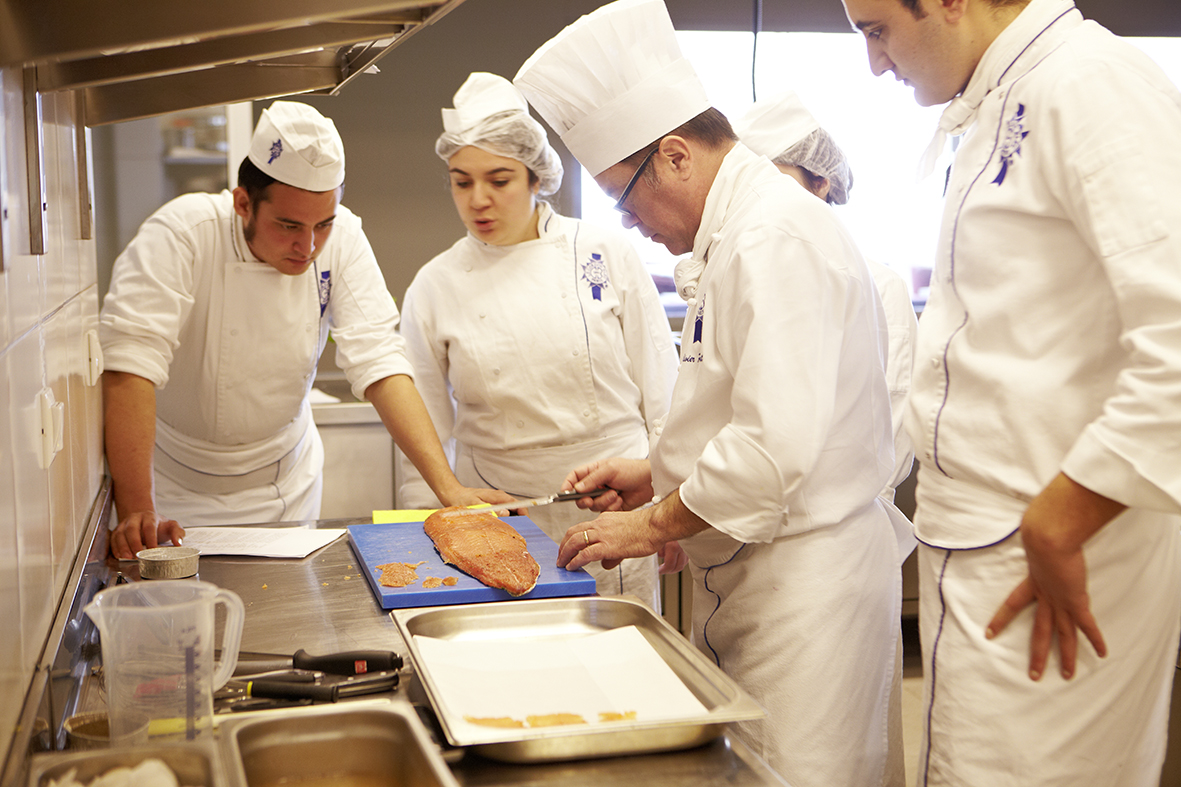
Le Cordon Bleu's pedagogy is built on the French apprenticeship tradition: every technique is first demonstrated by a chef instructor, then practised hands-on by each student. This demonstration-then-practice method has remained the core of Le Cordon Bleu teaching for over a century.
All classes are taught by MOF (Meilleur Ouvrier de France) holders, Michelin-starred chefs, and world competition winners. Instructors bring decades of professional kitchen experience into every demonstration.
Each module follows the Le Cordon Bleu method: a full demonstration by the chef instructor, followed by an individual practical session where students replicate the techniques under direct supervision.
Programmes are divided into three levels — Basic, Intermediate, and Superior. Each level builds on the previous one, ensuring students develop a complete technical foundation before advancing.
While rooted in classical French cuisine, Le Cordon Bleu programmes incorporate international ingredients, modern techniques, and contemporary plating — preparing graduates for kitchens anywhere in the world.
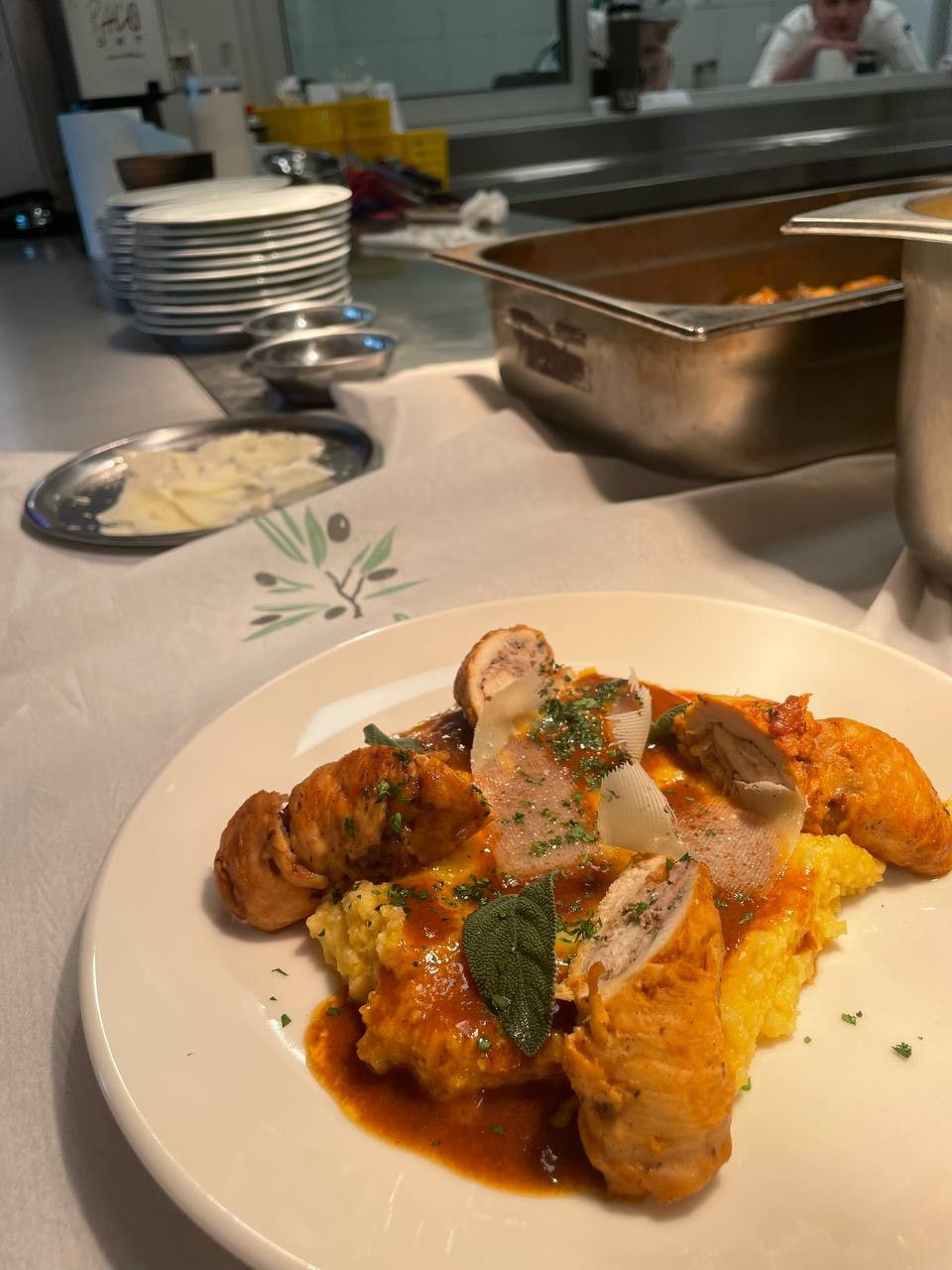
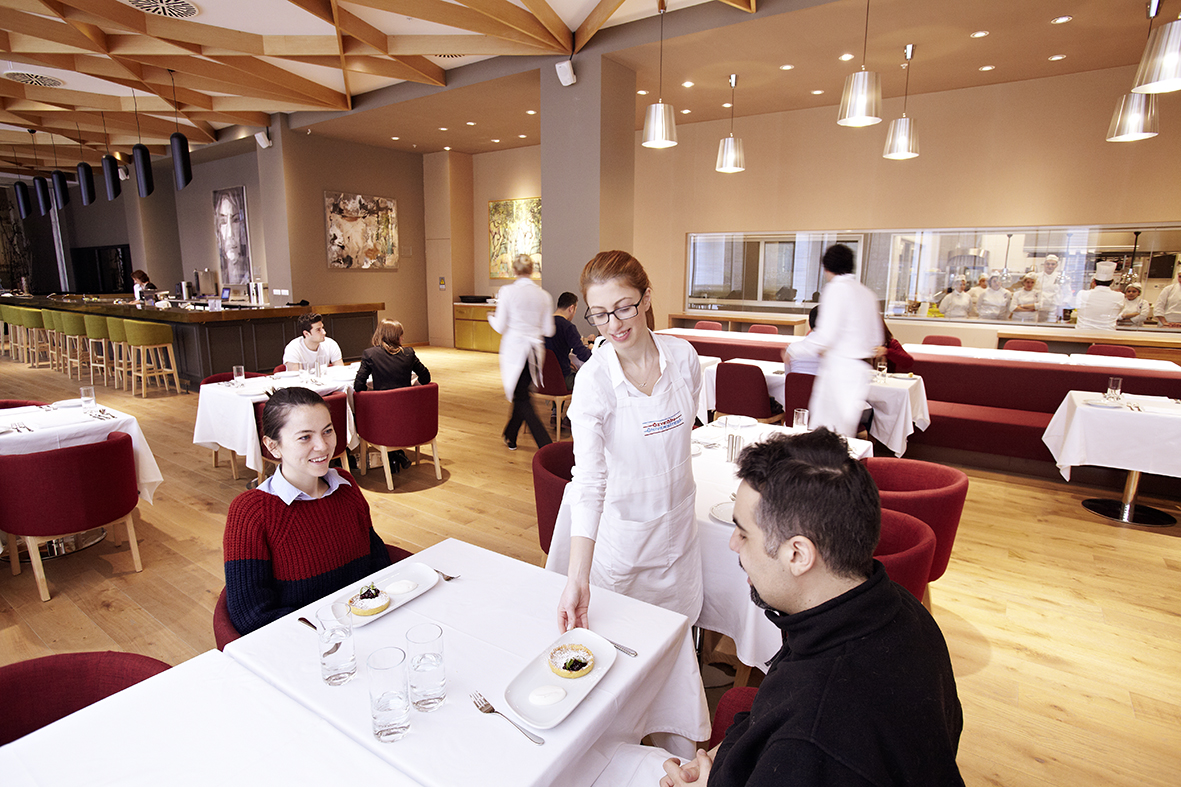
Superior-level students work in student-run restaurants, prepare multi-course menus for real guests, and gain exposure to professional service — bridging the gap between classroom and kitchen career.
Le Cordon Bleu diplomas are recognised by employers, hotels, and restaurants worldwide. The Grand Diplôme, Diplôme de Cuisine, and Diplôme de Pâtisserie are among the most respected credentials in the culinary profession.
From Paris to Tokyo, London to Sydney, Lima to Istanbul — every Le Cordon Bleu campus delivers the same curriculum, the same rigorous assessment standards, and the same globally recognised diploma. The network spans five continents.
Paris (the founding campus), London, Madrid, Istanbul — Le Cordon Bleu's European campuses offer proximity to the birthplace of classical French technique and some of the world's most celebrated dining scenes.
Tokyo, Shanghai, Seoul, Bangkok, Kuala Lumpur, Adelaide, Melbourne, Sydney, Perth, Wellington — the Asia-Pacific network is Le Cordon Bleu's largest, reflecting the region's growing influence on global gastronomy.
Ottawa, Mexico City, Lima, Santiago, Bogota, Rio de Janeiro — Le Cordon Bleu's presence across the Americas serves one of the most dynamic culinary markets in the world.
Regardless of where you study, the Le Cordon Bleu diploma carries the same international weight. Employers and industry leaders worldwide recognise it as proof of rigorous classical training and professional readiness.
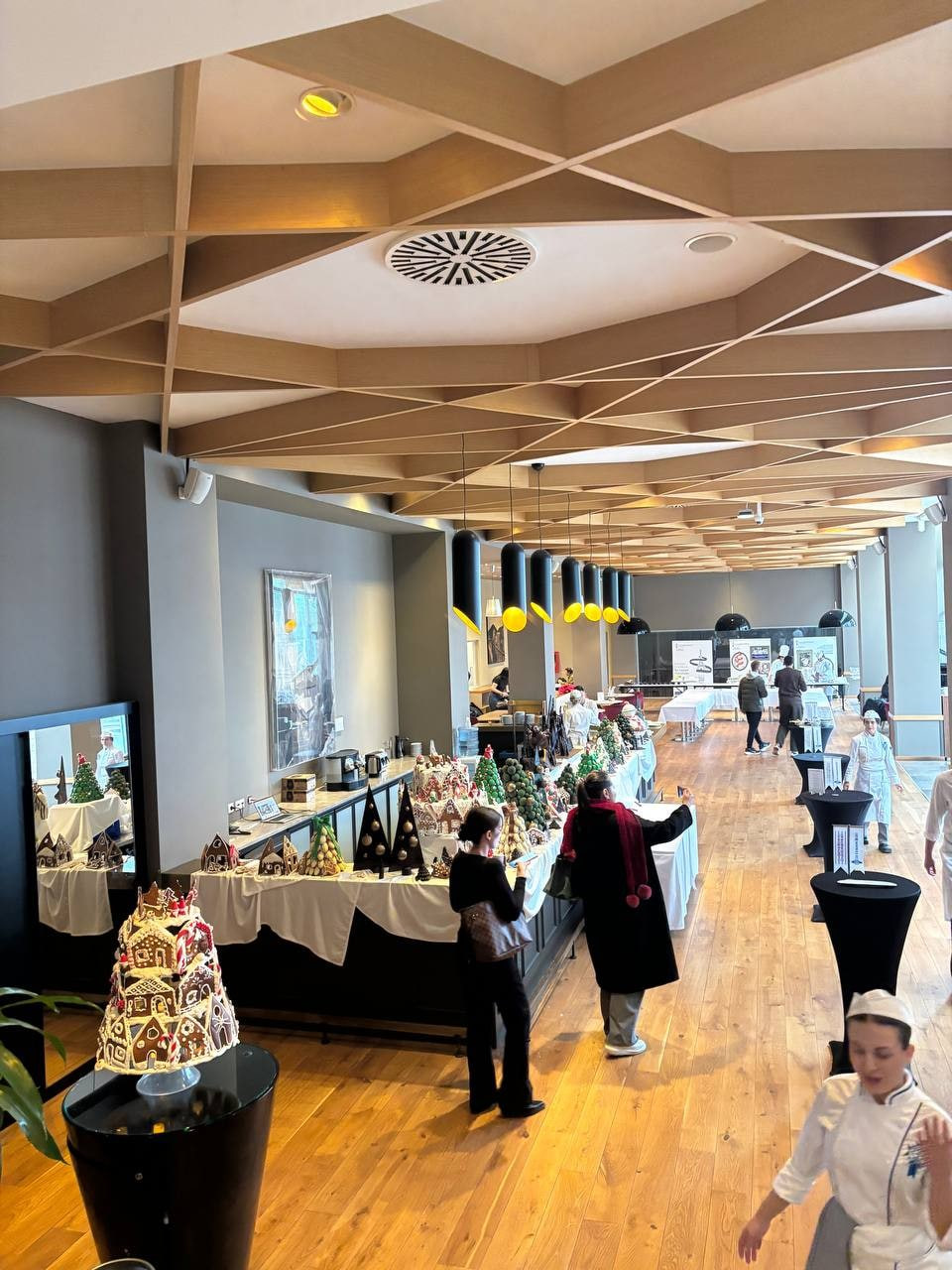
Since 2012, Le Cordon Bleu has operated in Istanbul through an exclusive partnership with Özyeğin University. The programme is housed in a purpose-built 3,650 m² Center of Excellence on the Çekmeköy campus — with 10 professional kitchens, a sensory laboratory, a culinary library, and the student-run restaurant La Table.
Özyeğin University is a leading private research university in Turkey, founded in 2007. Its partnership with Le Cordon Bleu since 2012 makes it the exclusive host of Le Cordon Bleu programmes in Turkey.
The dedicated culinary facility includes 10 professional-grade kitchens, demonstration theatres, a sensory analysis lab, a culinary library, lecture halls, and La Table restaurant — all exclusively for Le Cordon Bleu students.
Istanbul sits at the intersection of European and Asian food cultures. Students train in a city with one of the richest gastronomic traditions in the world — from Ottoman palace cuisine to modern Mediterranean innovation.
Compared to Le Cordon Bleu campuses in Paris, London, or Sydney, the Istanbul campus offers the same curriculum and diploma at significantly lower tuition — making world-class culinary education accessible to more students.
Le Cordon Bleu alumni include some of the most recognised names in food and hospitality. The institution's graduates have gone on to open Michelin-starred restaurants, lead hotel culinary programmes, launch food businesses, and shape gastronomic culture worldwide.
Perhaps the most famous Le Cordon Bleu alumna, Julia Child studied at the Paris school in the 1950s and went on to transform American home cooking through her books and television programmes.
A Le Cordon Bleu Paris graduate, Acurio became the driving force behind Peru's gastronomic revolution, founding the acclaimed restaurant Astrid y Gastón and championing Peruvian cuisine globally.
Le Cordon Bleu graduates hold executive chef and culinary director positions at leading hotels, restaurant groups, and food companies worldwide — from Four Seasons and Ritz-Carlton to independent Michelin-starred establishments.
Many graduates launch their own businesses — restaurants, bakeries, catering companies, food media brands, and culinary consultancies. The Le Cordon Bleu diploma serves as both a credential and a professional network.
Le Cordon Bleu has been training chefs since 1895. No other culinary institution has the same depth of history, tradition, and proven track record of producing world-class culinary professionals.
Every Le Cordon Bleu campus follows the same curriculum and assessment criteria. A diploma earned in Istanbul carries the same weight as one earned in Paris, London, or Tokyo.
Hotels, restaurants, and food companies actively recruit Le Cordon Bleu graduates. The diploma is understood globally as evidence of rigorous classical training and professional kitchen readiness.
With over 20,000 students graduating each year across 35+ campuses, Le Cordon Bleu alumni form one of the largest and most connected professional networks in the culinary world.
Le Cordon Bleu Istanbul offers the Grand Diplôme (cuisine + pâtisserie combined), the Diplôme de Cuisine, and the Diplôme de Pâtisserie. Each programme consists of Basic, Intermediate, and Superior levels.
Yes. Le Cordon Bleu Istanbul follows the same curriculum, assessment standards, and diploma certification as all other Le Cordon Bleu campuses worldwide. The diploma is issued by Le Cordon Bleu International.
No prior culinary experience is required. The Basic level starts from fundamentals and builds progressively. Students come from all backgrounds — career changers, hospitality professionals, and school leavers alike.
The Diplôme de Cuisine and Diplôme de Pâtisserie each take approximately 6 months. The Grand Diplôme, which combines both, takes approximately 9 months of intensive full-time study.
Le Cordon Bleu Istanbul offers world-class culinary training at Özyeğin University. We handle your application, accommodation, and arrival — you focus on mastering French technique.